
Dog Swollen Face Guide – Allergies, Infections, and Safe Treatments
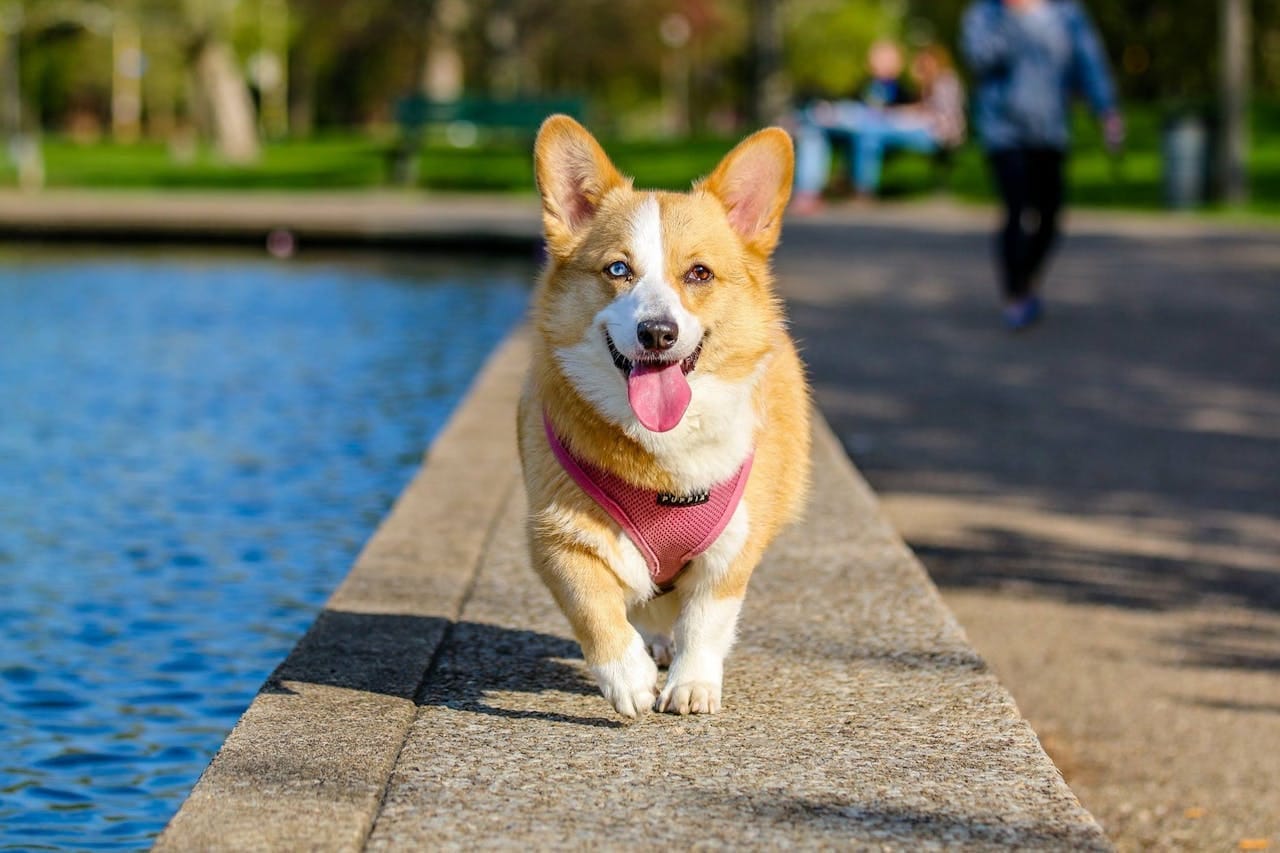
A swollen face in dogs is a clear sign that something is wrong, and it usually develops suddenly. The swelling may appear around the eyes, mouth, cheeks, or muzzle. It can be mild and soft or severe and tight, depending on the cause. Most cases relate to allergic reactions, infections, dental issues, or injuries. Because facial swelling can progress quickly, especially with allergies, it is important to understand the possible reasons and respond safely.
Allergies as a Common Cause of Swelling
Allergic reactions are among the most frequent reasons dogs develop a dog swollen face. Dogs can react to insect bites, food ingredients, plants, or chemicals. The swelling often appears alongside itching, hives, watery eyes, or redness. Some allergic reactions can become serious and affect breathing, so early recognition is important. If the swelling grows fast, a veterinarian should be contacted immediately.
Infections That Lead to Facial Swelling
Bacterial or fungal infections can also cause swelling, especially around the mouth and jaw. These infections may develop from open wounds, gum disease, or objects stuck in the mouth. Abscesses are a common example, forming when pus builds up beneath the skin or inside the mouth. Infections tend to cause warm, painful swelling and may be accompanied by fever or changes in appetite. Proper medical treatment is needed to prevent the infection from spreading.
Dental Problems and Hidden Pain
Dental issues are another major source of facial swelling. A damaged tooth, severe tartar buildup, or a deep tooth root infection can create pressure and inflammation. These conditions often develop gradually, but the swelling itself may appear suddenly. Drooling, bad breath, and trouble eating are common signs. Because dental infections can become dangerous if untreated, professional care is essential.
Injuries and Bites Leading to Swelling
Dogs may suffer facial swelling after accidents, rough play, or bites from other animals. Even small wounds can cause significant inflammation. Snake bites and insect stings are especially known for causing rapid swelling. Sometimes the swelling is the only visible sign of injury, so close examination is important. Treating injuries early helps reduce pain and prevents complications.
Safe Treatments You Can Use at Home
Mild swelling from minor allergies or irritation can sometimes improve with simple home care. A cold compress applied gently to the swollen area may provide comfort. Preventing scratching or rubbing also helps reduce irritation. However, home remedies should only be used if your dog is breathing normally, acting alert, and not in pain. If the swelling gets worse or spreads, professional care is needed.
When to Seek Veterinary Help Immediately
Any swelling that appears suddenly, affects breathing, or comes with vomiting, collapse, or extreme discomfort should be treated as an emergency. Allergic reactions can escalate quickly, and infections can spread. A veterinarian can determine the cause through examination, imaging, or lab tests. Early treatment leads to better outcomes and prevents long-term problems.
Keeping Your Dog Safe in the Future
Preventing facial swelling involves keeping your dog away from harmful insects, unsafe foods, and harsh chemicals. Regular dental checkups reduce the risk of tooth-related issues. Monitoring your dog during outdoor activities helps avoid unexpected injuries or bites. Understanding your dog’s sensitivities also plays an important role in prevention.
Final Thoughts
A swollen face can be alarming, but knowing the common causes and safe treatments helps you act confidently. Whether the swelling is due to allergies, infections, dental problems, or injuries, quick attention makes a big difference. With proper care and early response, your dog can recover comfortably and stay healthy.

Created with © systeme.io